ServicesPreventative Maintenance
Loading Dock Preventative Maintenance in Pottsville
We come out on a set schedule, go over every dock position and catch worn parts before they stop a truck. You get a written report, small fixes done on the spot, and a straight answer on anything bigger. It's how we'd want a neighbor's dock looked after.
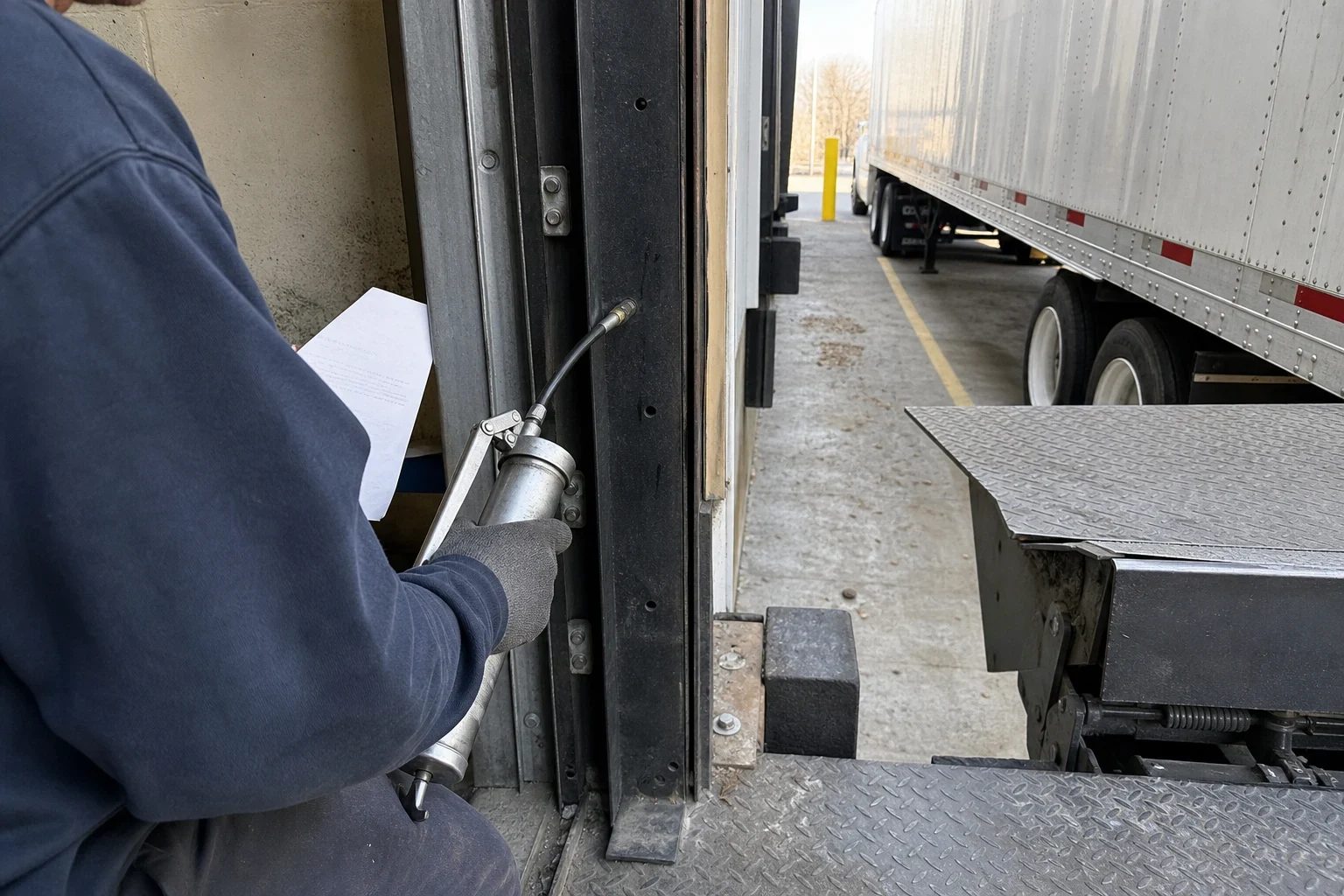
What preventative maintenance means at your dock
Dock equipment wears a little every time a forklift crosses the leveler or a door cycles. Most breakdowns we see started as something small: a leaking hydraulic fitting, a frayed lip chain, a door spring that lost tension. Planned visits find those early, while the fix is cheap and you choose the time.
It's the right call if your facility runs trucks every day and can't afford a dock position down during a busy week. It also makes sense for older equipment you want to keep running a few more years. Freeze and thaw cycles, road salt tracked in off trailers and long winters are hard on seals and hydraulics around here, so we pay close attention to those parts before cold weather sets in.
What we check on every visit
Dock levelers
We inspect the deck, lip, hinges and welds for cracks. On hydraulic units we check fluid, hoses and cylinders. On mechanical units we look at springs, hold-down and the walk-down action.
Overhead doors
We check springs, cables, rollers, tracks and bottom seals, then lube moving parts and adjust balance. A door that hangs crooked or slams is wearing itself out faster.
Vehicle restraints
We test that the restraint engages the trailer bar, that the lights and signals inside and out match, and that the alarm works. This is a safety item, so we don't skip it.
Seals, shelters and bumpers
Torn dock seals let in weather and drive up energy costs. Worn bumpers let trailers hit the wall. We note both and tell you which ones can wait.
Controls and wiring
Push buttons, interlocks and control boxes get checked for loose connections and moisture.
Written report
After the visit you get a list of each dock position, what we found and what we did, with photos of problem spots. Nothing is fixed beyond small adjustments without your OK.
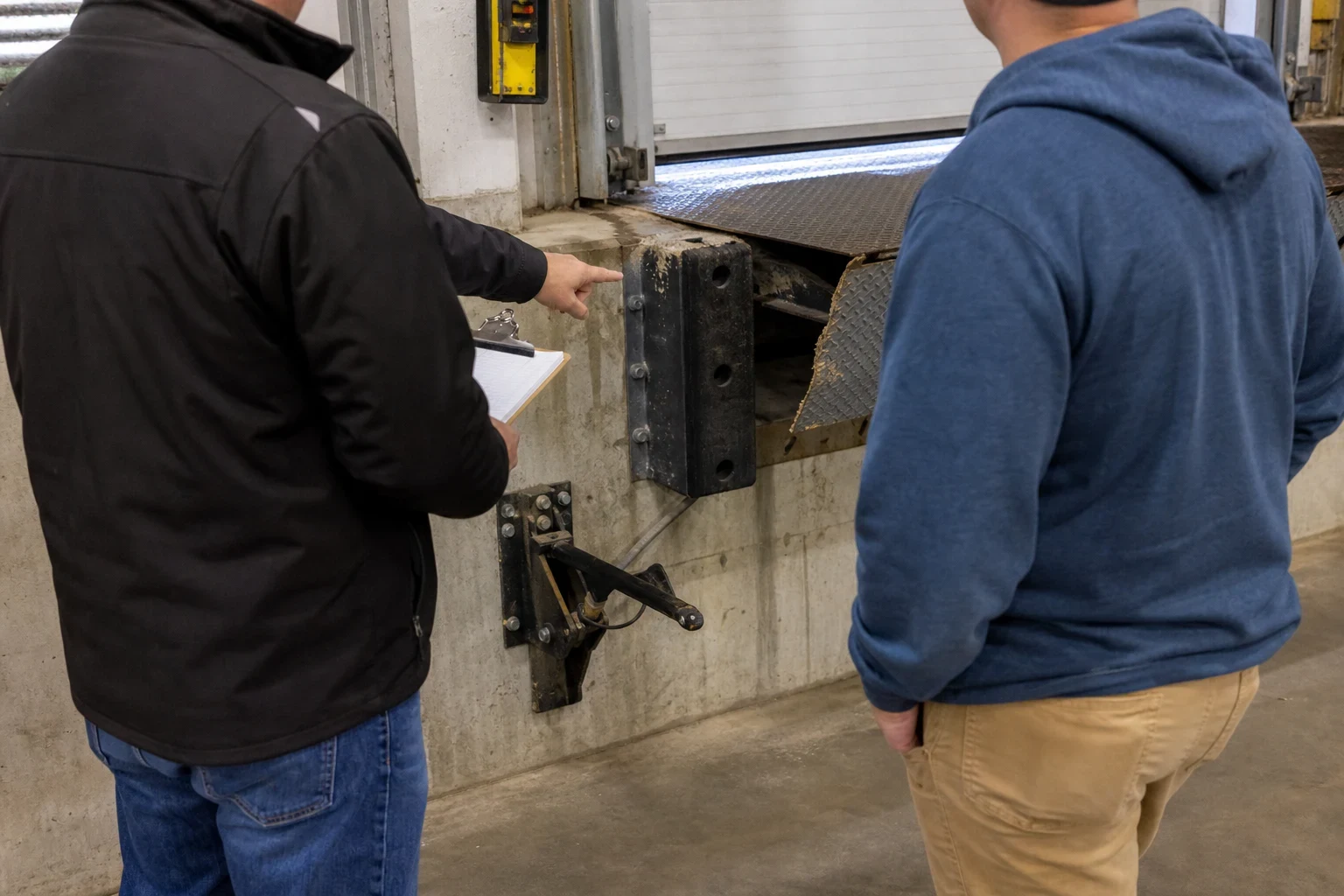
Signs your dock is overdue for a checkup
- The leveler is slow or jerky
- A deck that rises slowly or drops hard usually points to low fluid, a worn pump or a spring problem. It gets worse, not better.
- Puddles of oil under the pit
- Hydraulic leaks mean a hose or seal is failing. Left alone, the unit can lose pressure under load.
- Doors that bang, stick or reverse
- Rough door travel is often a spring or roller issue. A spring that breaks can take the door out of service for the day.
- Restraint lights that don't match
- If the driver sees green while the restraint isn't locked, someone could pull away with a forklift inside the trailer. That needs a look right away.
- Daylight around the trailer
- Gaps at the seals or shelter mean cold air, rain and snow are getting in. Your heat bill and your floor both pay for it.
What happens on a maintenance day
- 1
We plan the dates together
Let us know your dock position count and your quiet hours. Visits get booked around when trucks arrive, so receiving doesn't stall.
- 2
One door locked out at a time
We check in with your shipping lead first, then lock out each position before any hands go on it. Every other door keeps running. Our crew holds first aid and CPR certification, which counts around forklifts and moving steel.
- 3
Check, grease and set
Every position runs through one checklist. Minor items such as loose bolts, dry rollers or an unbalanced door get handled on the spot.
- 4
Review and written report
We go over our findings with you before heading out. Larger repairs come with a written estimate you can budget around, and each door's work area gets cleaned.
What sets the price of a maintenance plan
There's no one price for every dock. We look at your equipment and how hard it works, then quote the plan by phone or after a walk-through. You'll know what a visit covers before we start, and anything extra gets your approval first.
- Number of dock positions
- More doors means more time on site. A two-door store dock and a large distribution center are very different jobs.
- Type and age of equipment
- Hydraulic levelers, high speed doors and powered restraints take longer to check than simple manual units. Older equipment often needs more adjustment.
- How often you want visits
- Busy docks running multiple shifts usually need more frequent visits. Lighter use can go longer between checks.
- Parts and repairs found
- Routine lube and adjustment is part of the visit. Replacement parts, like a new cylinder or seal, are quoted separately so you can decide.
Common questions about dock maintenance plans
- How often does our dock equipment need a visit?
- Two visits a year covers most facilities. Busy docks running two or three shifts may need them more often. Once we've seen your equipment and how hard it works, we'll recommend a schedule.
- Does the whole dock have to close?
- No. Only the position we're working on gets locked out. The rest of your doors stay busy loading and unloading.
- Do you maintain equipment someone else installed?
- Yes. Most makes of dock levelers, overhead doors and vehicle restraints are fine with us. When a part is tough to source, you'll hear that from us first.
- What happens if you spot a major repair?
- You'll see the problem yourself, along with photos and a written estimate. When it's a safety concern, we say that plainly and advise keeping the position out of use until it's repaired. The choice of what to fix and when stays with you.
- Do you stand behind the repairs?
- Yes. Our repairs carry a 1-year labor warranty. If our work on something fails during that year, call us and we'll return to check it.
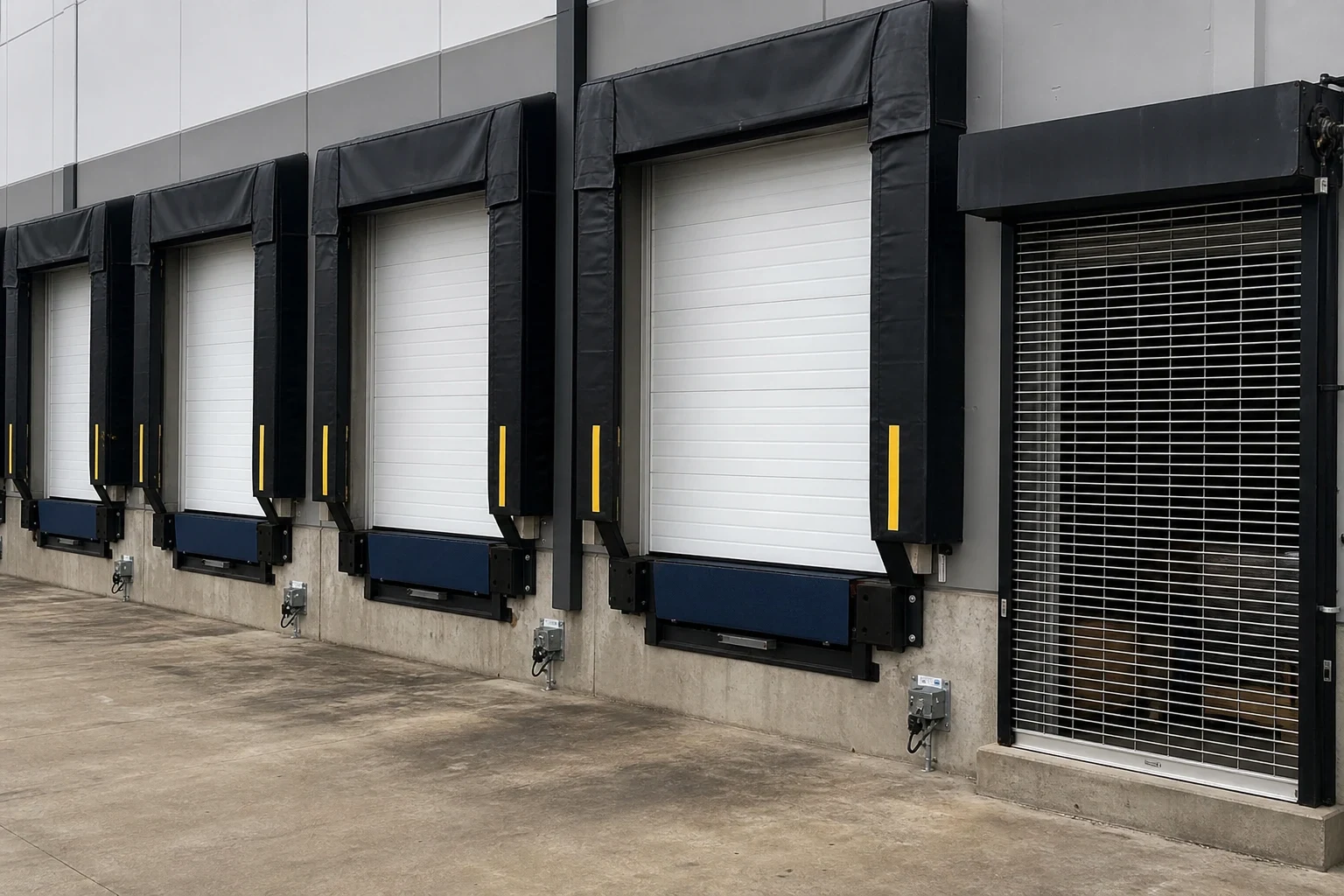
Put your dock on a regular plan
Let us know your number of positions and the equipment at each one. We'll build a plan around your shipping hours for facilities in Pottsville and close-by towns such as Schuylkill Haven and Frackville.